Understanding Flocculant Chemicals: Essential for Water Treatment
What are Flocculant Chemicals?
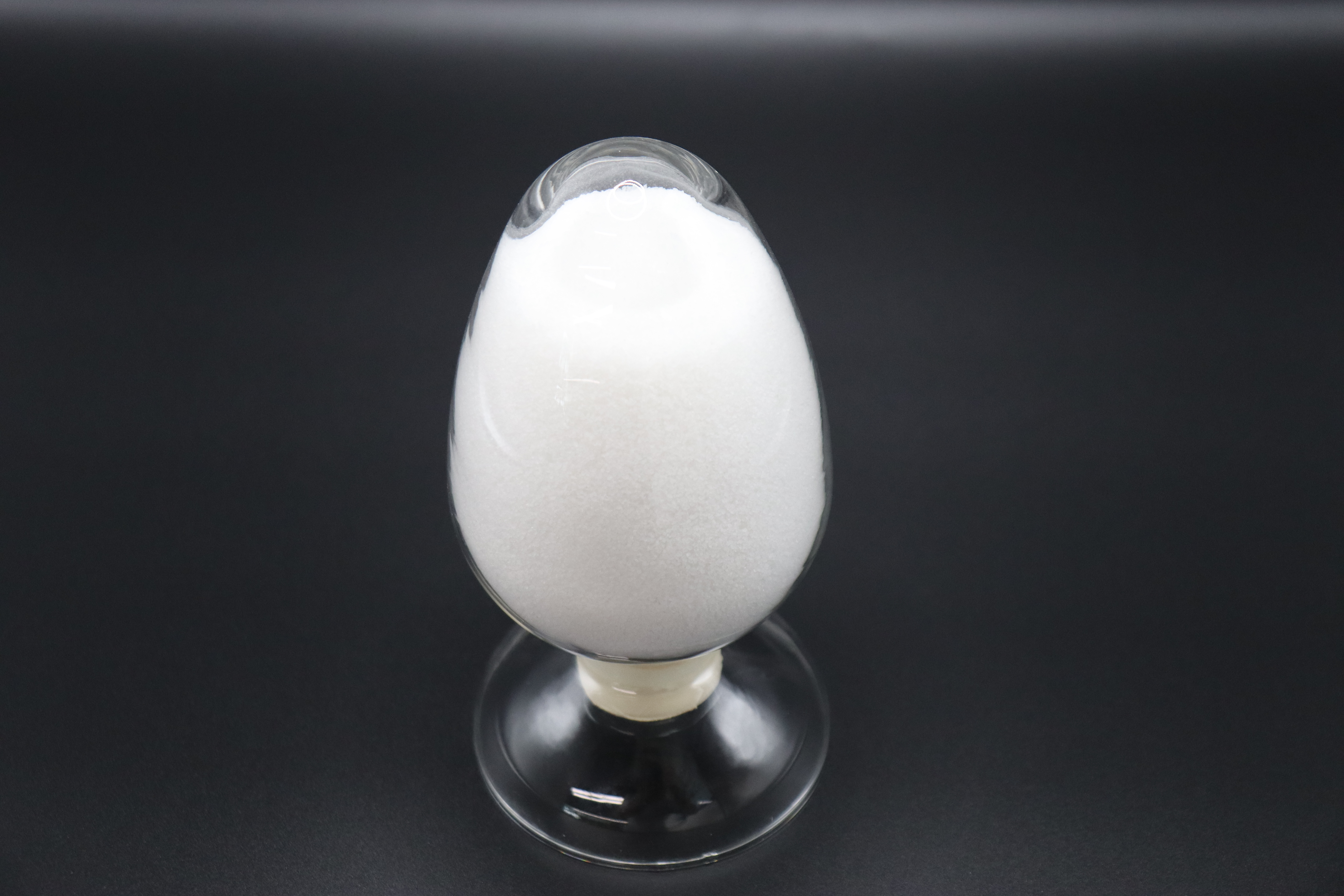
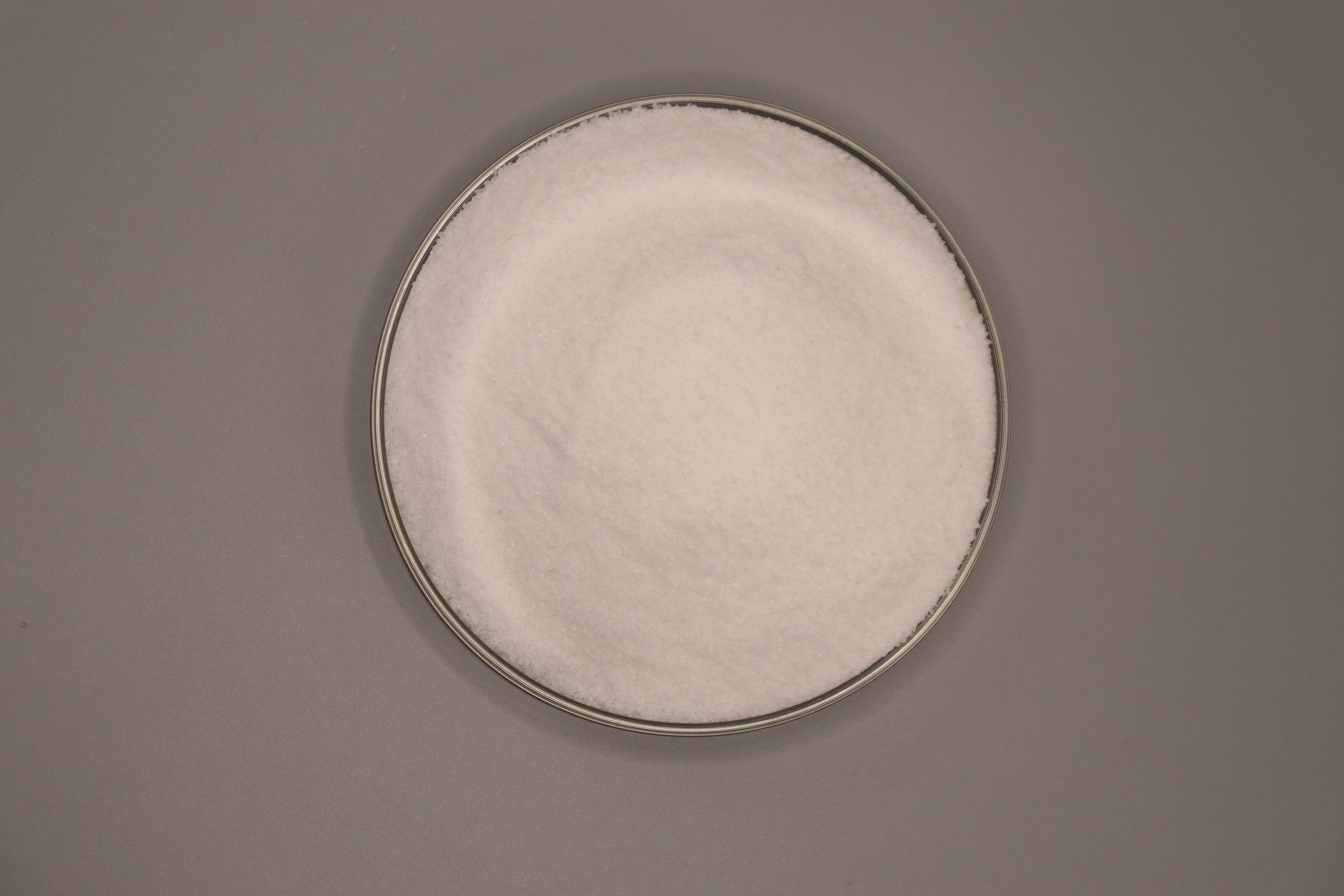
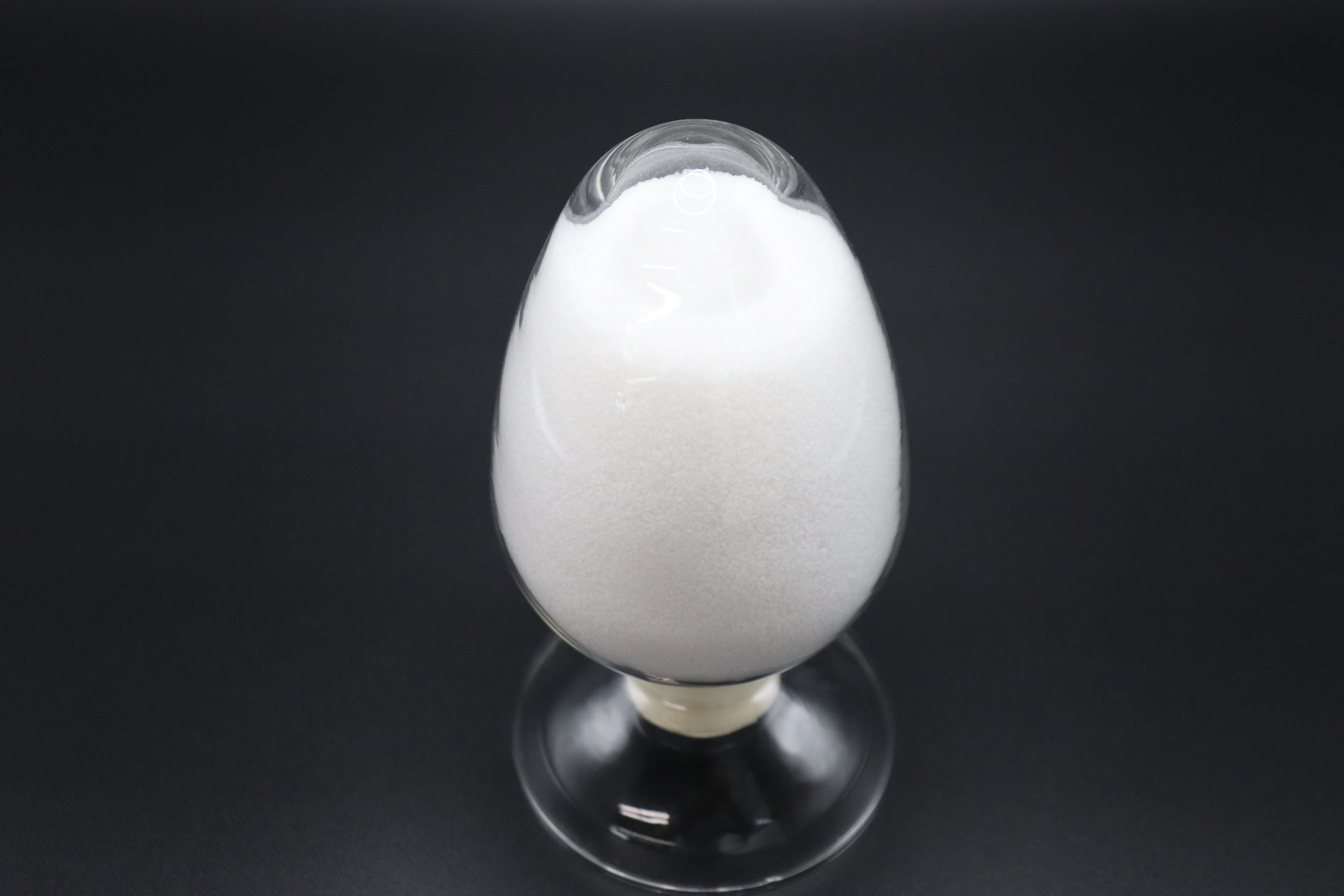
Flocculant chemicals are substances that facilitate the clumping of particles in liquids. These chemicals are crucial in water treatment processes, helping to remove impurities and solids from water efficiently. By causing particles to aggregate, flocculants simplify the separation and removal of contaminants, ensuring cleaner water.
How Do Flocculants Work?
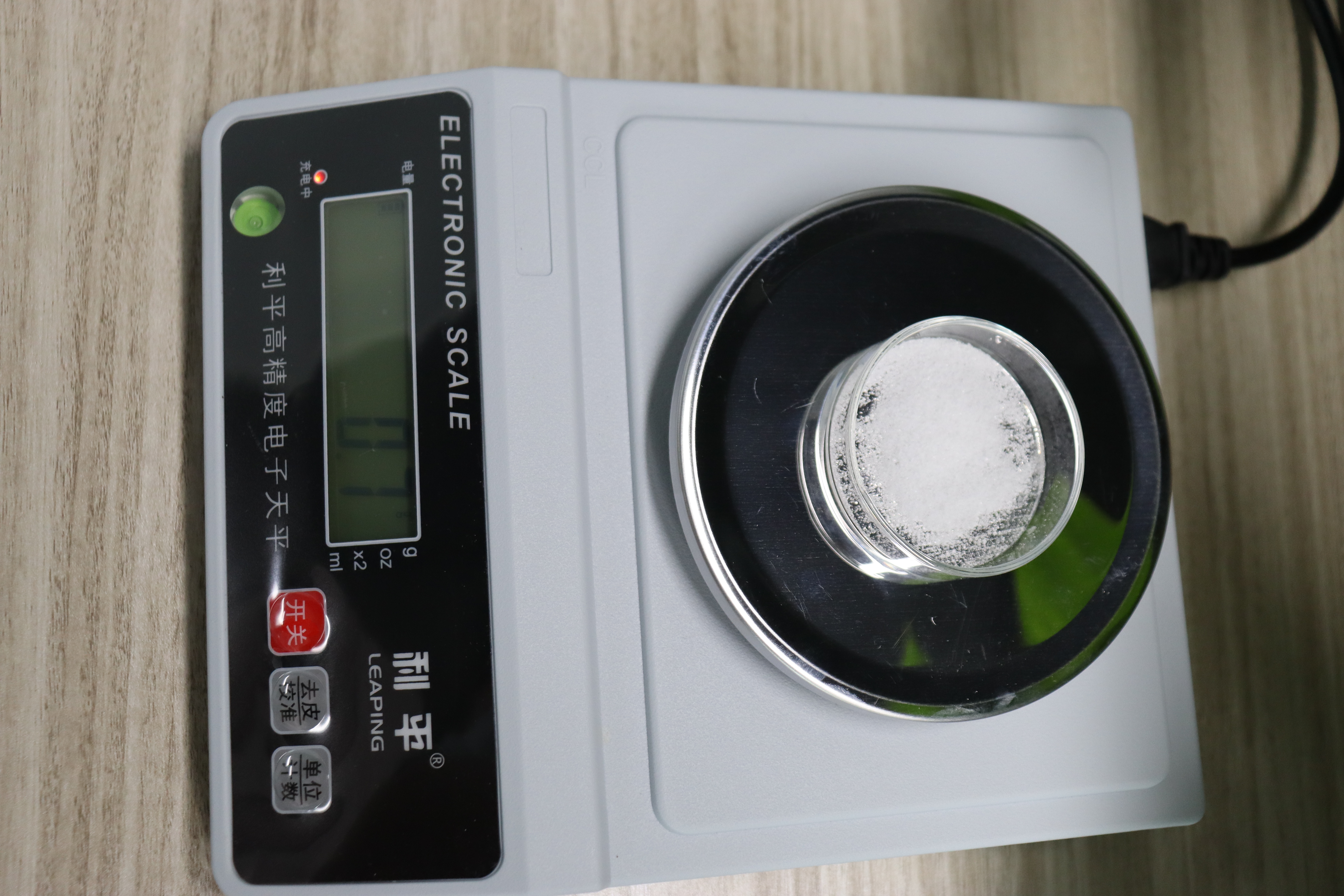
Flocculants work by neutralizing the charges of suspended particles in water, encouraging them to come together to form larger clusters, known as flocs. Once these flocs form, they can be easily separated from the water through sedimentation, filtration, or floatation techniques. This process is vital for both industrial water treatment and municipal water purification.
Benefits of Using Flocculant Chemicals
There are numerous benefits to using flocculant chemicals in water treatment processes. These include:
- Improved clarity and quality of water by effectively removing suspended solids.
- Enhanced efficiency in water filtration systems, reducing the need for frequent maintenance.
- Cost-effectiveness due to reduced chemical usage and faster treatment processes.
- Environmental protection by minimizing harmful substances released into natural water bodies.

Applications of Flocculant Chemicals
Flocculant chemicals are widely used in various industries and applications, including:
- Municipal water treatment facilities to ensure safe drinking water.
- Industrial wastewater treatment to prevent environmental pollution.
- Mining operations to separate minerals from waste.
- Food and beverage industry for processing and clarifying liquids.
Conclusion
Flocculant chemicals play a vital role in maintaining water quality and supporting industrial processes. By understanding their function and benefits, industries can optimize their water treatment systems, contributing to environmental sustainability and public health.
About the Author